Sarnath's Literary Heritage
Sarnath's Literary Heritage
Field research conducted in Sarnath
Sarnath, where the Buddha delivered his first sermon, has been a center of Buddhist literary production for over two millennia. From our research base in Bangalore, we've conducted field studies in Sarnath to understand how this literary heritage functions and how it continues to inform contemporary scholarship.
Historical Significance
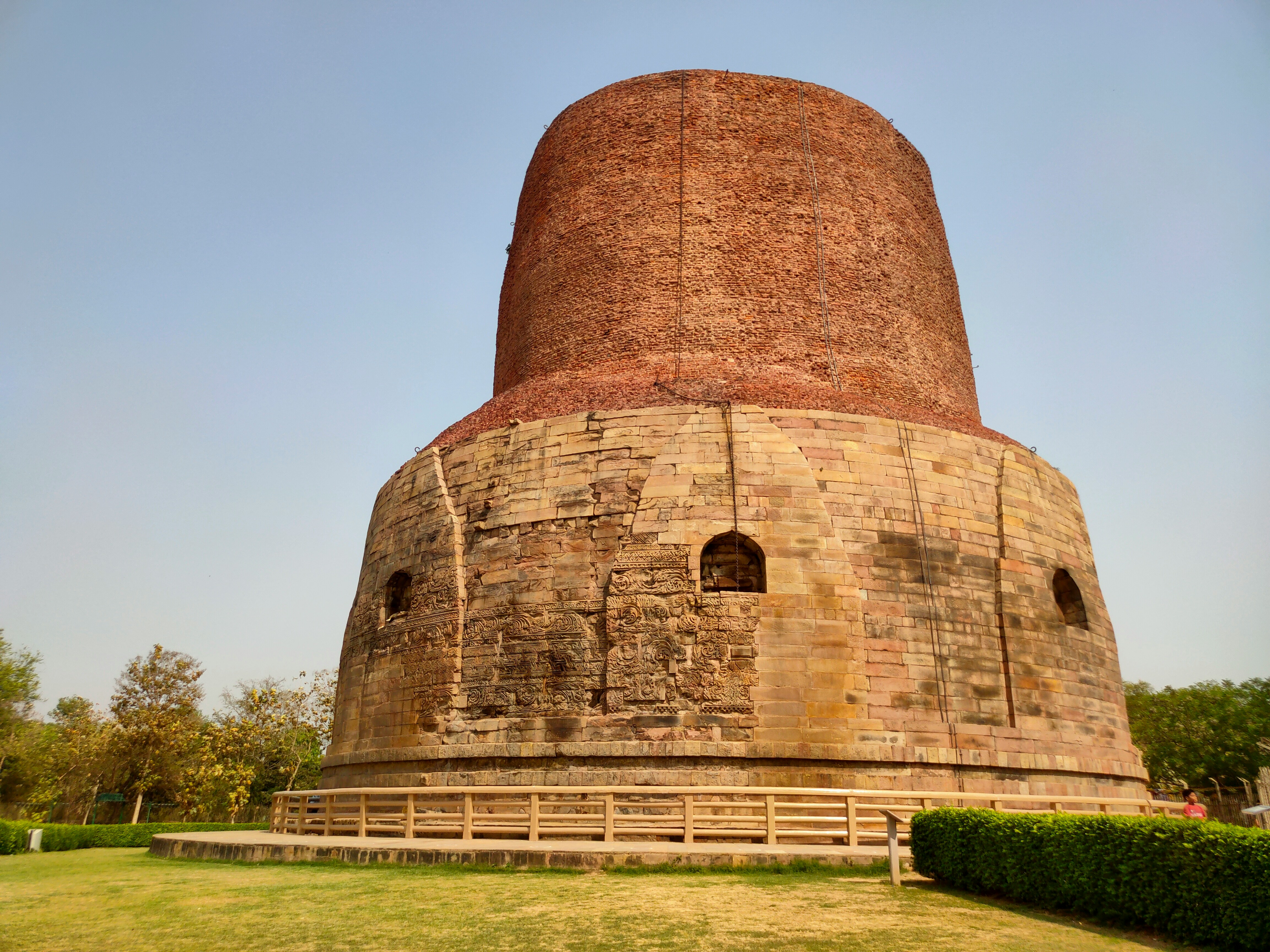
Sarnath's historical significance as the site of the Buddha's first teaching makes it a crucial location for understanding Buddhist literary traditions. The site has been a center of Buddhist learning and literary production since ancient times, with texts being composed, copied, and studied there for centuries.
Our research examines this historical significance, exploring how Sarnath has functioned as a literary center and how its historical role continues to inform contemporary work. We've conducted archival research and site visits to understand this heritage.
The Central Institute
The Central Institute of Higher Tibetan Studies in Sarnath represents a contemporary continuation of Sarnath's literary heritage. The institute houses extensive collections of Tibetan texts and supports both traditional study and contemporary research.
From our field research, we've examined how the Central Institute functions, exploring its collections, programs, and contributions to Buddhist literary studies. We consider how the institute both preserves and transforms Sarnath's literary heritage.
Textual Traditions
Sarnath has been associated with various textual traditions, from early Buddhist texts to later Tibetan translations and commentaries. Understanding these traditions is important for understanding Sarnath's literary heritage and its contemporary significance.
Our research examines these textual traditions, analyzing how they function and how they relate to each other. We explore how Sarnath's location has influenced textual production and transmission.
Contemporary Scholarship
Contemporary scholarship at Sarnath continues to engage with Buddhist literary traditions, producing new work that both draws on and contributes to these traditions. Understanding this contemporary work is important for understanding how Sarnath's literary heritage continues to function.
From our research, we've been tracking contemporary scholarship at Sarnath, examining how it engages with literary traditions and what it contributes. We consider how contemporary work relates to historical traditions.
Preservation and Access
Sarnath's literary heritage requires preservation and access, and various institutions work to maintain texts and make them available. Understanding these preservation efforts is important for understanding how heritage is maintained and transmitted.
Our research examines preservation and access efforts, exploring how texts are maintained and how they're made available to scholars and students. We consider both opportunities and challenges in these efforts.
Future Directions
As Sarnath's literary heritage continues to evolve, new possibilities emerge for both preservation and innovation. Understanding current conditions can help anticipate future directions and support continued development.
Our research considers these future directions, examining both possibilities and concerns. We explore how Sarnath's literary heritage might continue to function and how it can best serve both preservation and contemporary scholarship.
Conclusion
Sarnath's literary heritage represents a crucial resource for understanding Buddhist literary traditions, from ancient texts to contemporary scholarship. Understanding this heritage requires attention to both historical significance and contemporary function, to both preservation and innovation.
Our research, conducted from Bangalore with extensive field work in Sarnath, continues to explore this heritage. We remain committed to understanding how Sarnath's literary heritage functions and how it can continue to inform Buddhist literary studies.
Research Note
This research involved field studies in Sarnath, including visits to the Central Institute of Higher Tibetan Studies and archival research. We are grateful to all the scholars and staff who shared their knowledge and expertise.
About the Author
Priya Mehta is Senior Editor & Writer at Dharma & Letters, focusing on translation studies and Tibetan refugee narratives.
References:
- Field research notes, Sarnath (2023).
- Central Institute of Higher Tibetan Studies, Sarnath. Collections and programs examined.
- Historical texts and traditions analyzed.
- Contemporary scholarship at Sarnath tracked.
Priya is Senior Editor & Writer at Dharma & Letters, focusing on translation studies and Tibetan refugee narratives.
Read More Articles