Tibetan Epic Tradition and Modern Literature
Tibetan Epic Tradition and Modern Literature
Research conducted with epic performers and translators in Dharamshala and Sarnath
The Tibetan epic tradition, particularly the Gesar epic, represents one of the world's longest and most complex oral literary traditions. From our research base in Bangalore, we've conducted field studies to understand how this tradition influences contemporary literary production and how it's being translated for modern audiences.
The Gesar Epic
The Gesar epic, with its hundreds of thousands of verses, tells the story of King Gesar and his adventures. This epic has been transmitted orally for centuries, with different regions developing their own versions. The epic combines history, mythology, and Buddhist teachings in complex ways.
Our research examines how the Gesar epic functions as both literature and cultural practice, exploring how it's performed, how it's understood, and how it relates to other Tibetan literary traditions. We've conducted interviews with epic performers in Dharamshala to understand the tradition from the inside.
Oral Performance
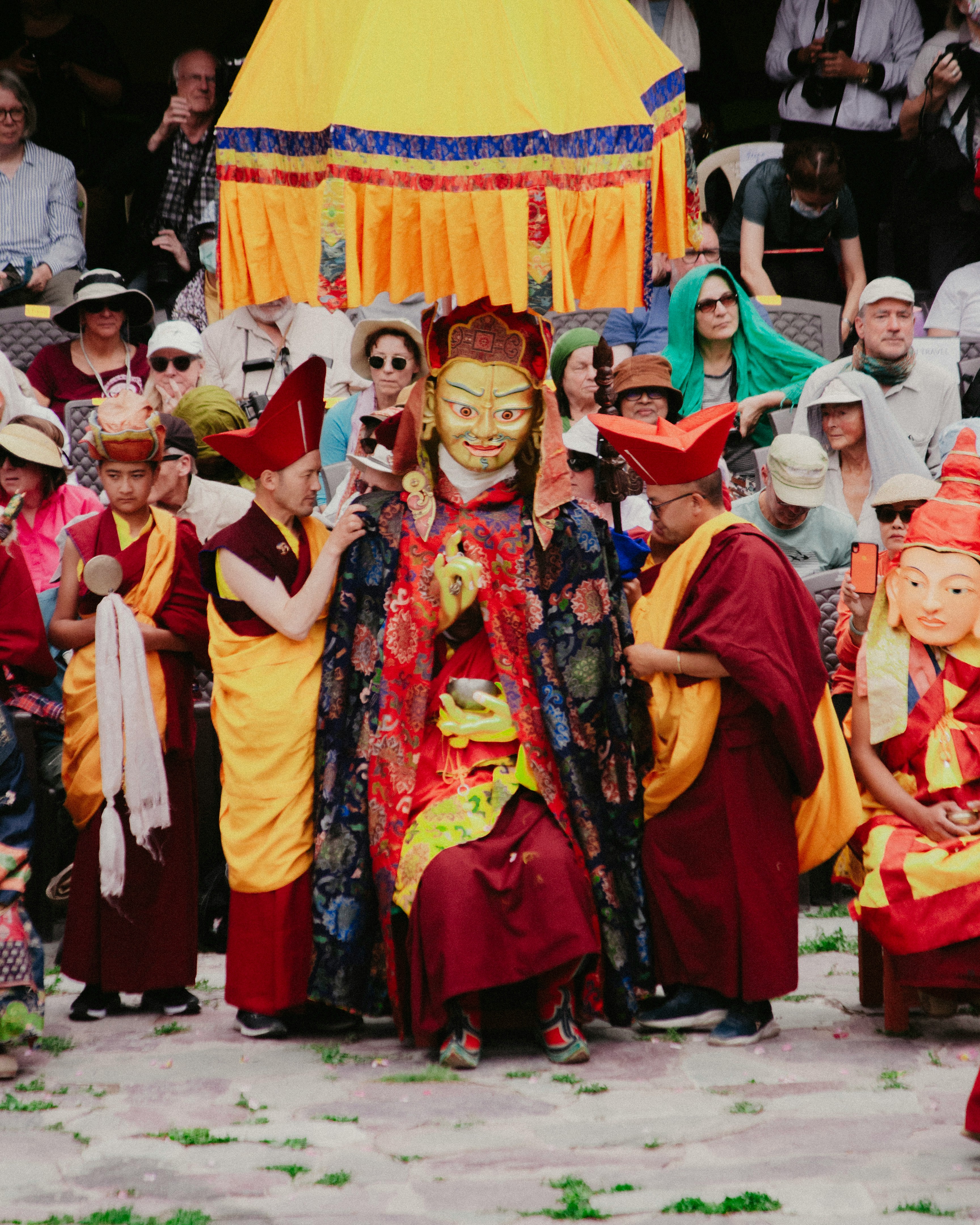
The Gesar epic is traditionally performed orally, with performers using specific techniques and styles. These performances are not simply recitations but creative acts that adapt the epic to specific contexts and audiences. Understanding these performances is crucial for understanding the epic itself.
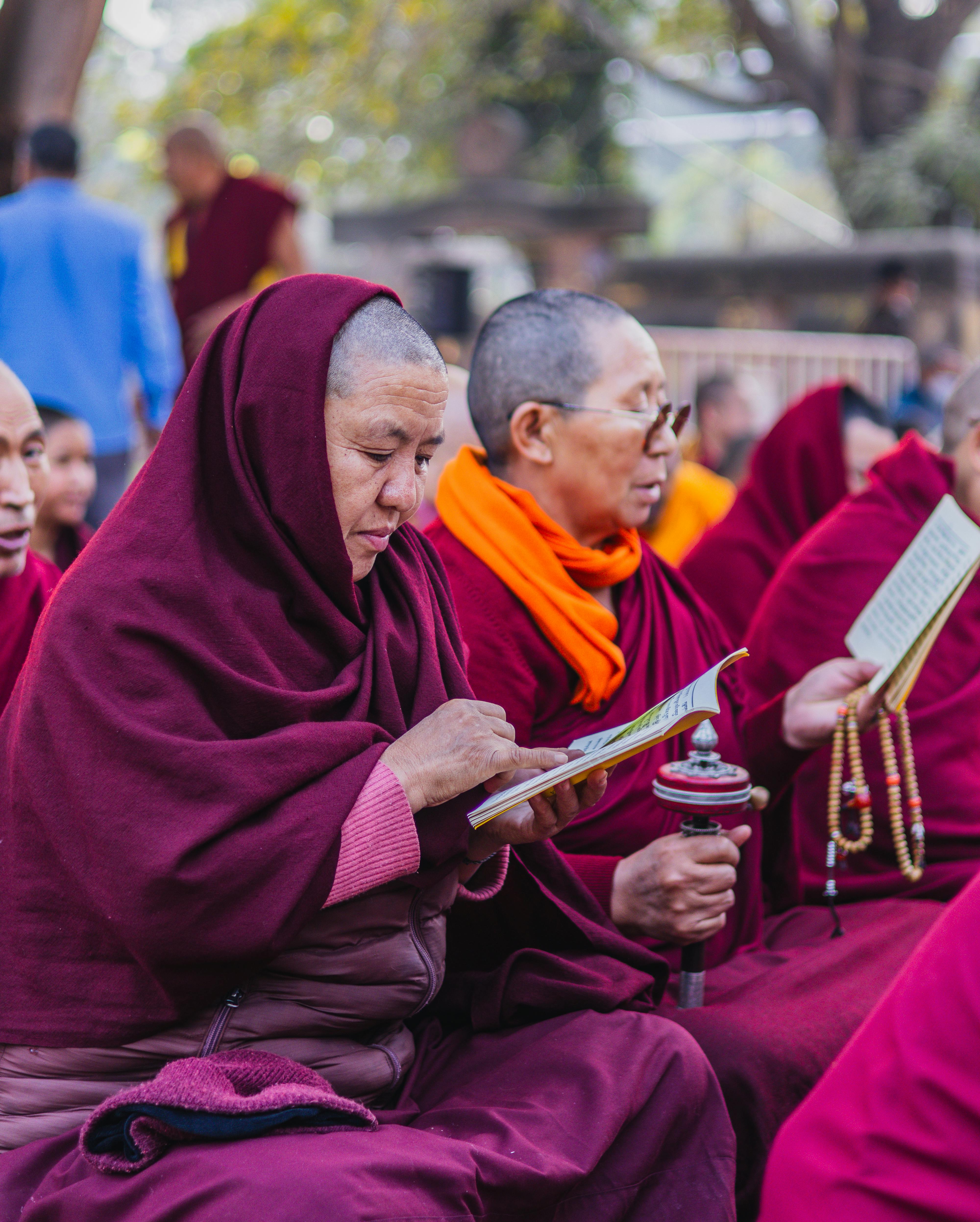
From our field research, we've documented performances and interviewed performers, exploring how oral performance functions and how it differs from written literature. We examine how these performances are being preserved and transmitted in contemporary contexts.
Translation Challenges
Translating the Gesar epic presents enormous challenges. The epic's length, complexity, and cultural specificity make it difficult to translate in ways that are both accurate and accessible. Different translators have taken different approaches, from abridged versions to more complete translations.
Our research examines these translation practices, exploring how different translators navigate the challenges and what strategies they employ. We consider how translations can make the epic accessible while preserving something of its character.
Contemporary Adaptations
Contemporary writers have adapted the Gesar epic in various ways, creating new works that draw on the epic while engaging with contemporary concerns. These adaptations raise questions about tradition and innovation, about preservation and transformation.
From our Bangalore office, we've been tracking these adaptations, examining how they function and what they reveal about both the epic tradition and contemporary literary practice. We explore how adaptations can serve both preservation and innovation.
Literary Influence
The Gesar epic has influenced Tibetan literature in various ways, from direct references to more indirect influence on narrative techniques and themes. Understanding this influence is important for understanding Tibetan literature more broadly.
Our research examines how the epic influences contemporary literature, exploring both explicit references and more subtle influences. We consider how epic traditions continue to shape literary production even as literature evolves.
Cultural Significance
The Gesar epic is not just literature but also cultural practice, functioning in religious, social, and political contexts. Understanding its literary significance requires understanding these broader functions.
Our field research has involved exploring these broader contexts, examining how the epic functions in Tibetan communities and how its significance has evolved. We consider how literary analysis can engage with these broader functions.
Preservation Efforts
Efforts to preserve the Gesar epic involve both documentation and transmission. These efforts face challenges from modernization, language loss, and changing cultural contexts. Literature plays a role in these preservation efforts, both through documentation and through creative adaptation.
From our Bangalore office, we've been tracking preservation efforts, examining how they function and what challenges they face. We explore how literature can contribute to preservation while also allowing for necessary adaptation.
Future Directions
As the Gesar epic tradition continues to evolve, new possibilities emerge for both preservation and innovation. Digital technologies, translation projects, and contemporary adaptations all offer possibilities while also presenting challenges.
Our research considers these future directions, examining both opportunities and concerns. We explore how the epic tradition might continue to function in changing contexts.
Conclusion
The Tibetan epic tradition, particularly the Gesar epic, represents a rich and complex literary tradition that continues to influence contemporary literature. Understanding this tradition requires engagement with both its historical forms and its contemporary expressions.
Our research, conducted from Bangalore with extensive field work in Dharamshala and Sarnath, continues to explore this tradition. We remain committed to understanding how epic traditions function and how they can be preserved and transmitted for future generations.
Research Note
This research involved extensive field work with epic performers in Dharamshala, as well as consultations with translators and scholars at the Central Institute of Higher Tibetan Studies in Sarnath. We are grateful to all who shared their knowledge and expertise.
About the Author
Lhamo Tsering is a Translation Specialist at Dharma & Letters, bridging traditional Buddhist texts with contemporary English literary studies.
References:
- Field research with epic performers, Dharamshala (2023).
- Central Institute of Higher Tibetan Studies, Sarnath (2023). Consultations and archival materials.
- Tibetan Library and Archives, Dharamshala. Epic collections and documentation.
- Translation projects and contemporary adaptations analyzed.
Lhamo is a Translation Specialist at Dharma & Letters, bridging traditional Buddhist texts with contemporary English literary studies.
Read More Articles