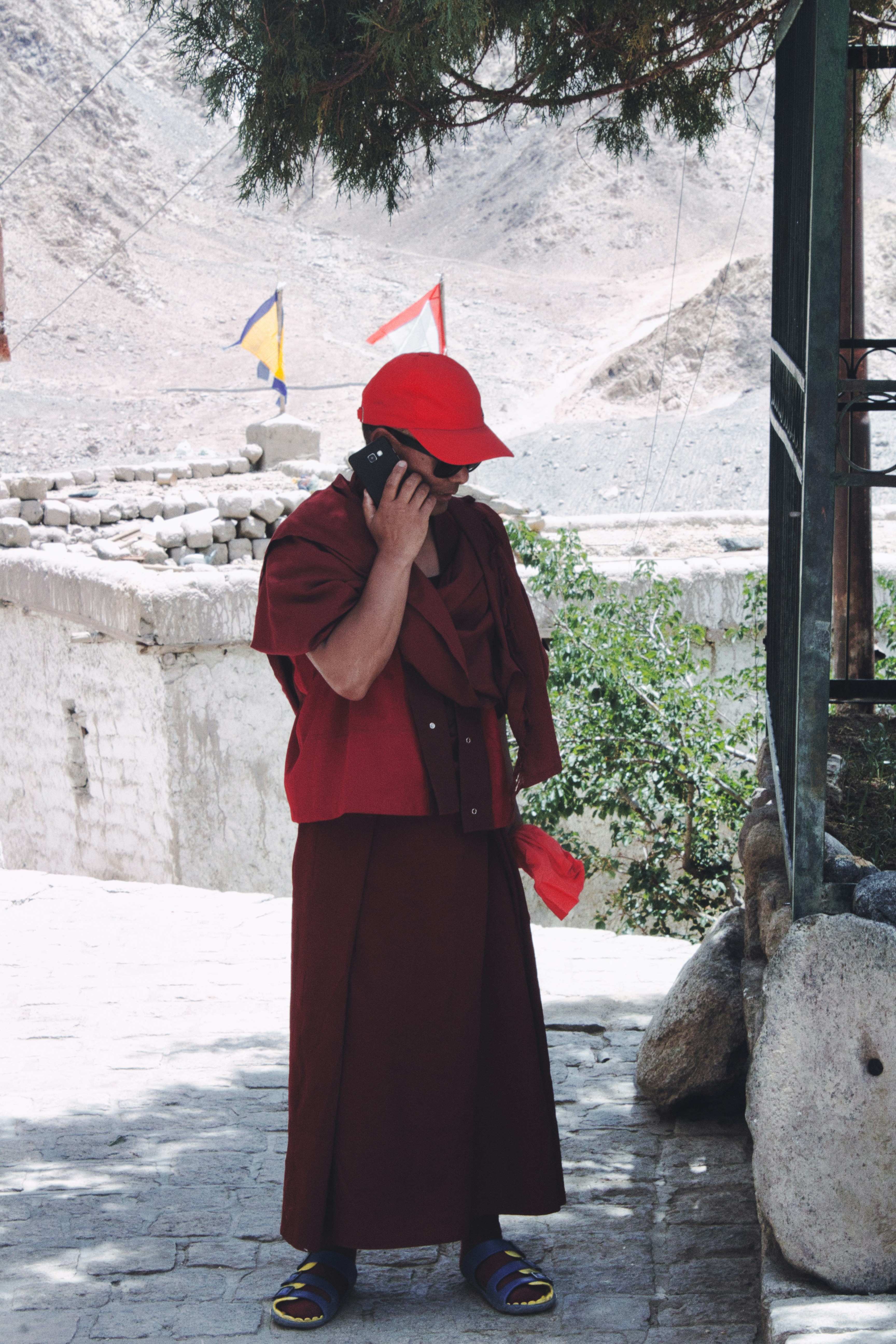
Decolonial Approaches to Buddhist Thought
Decolonial Approaches to Buddhist Thought
Research conducted from Bangalore with engagement across India's academic and activist communities
Decolonial theory offers important frameworks for understanding how Buddhist thought has been shaped by colonial encounters and how it can contribute to decolonial projects. From our research base in Bangalore, we've been exploring these intersections.
Colonial Encounters
Buddhist thought has been shaped by colonial encounters in complex ways. Colonial powers engaged with Buddhist traditions for various purposes: academic study, political control, cultural appropriation. Understanding these encounters is crucial for understanding contemporary Buddhist thought.
Our research examines these colonial encounters, exploring how they have shaped both Buddhist practice and academic study of Buddhism. We draw on archival work and historical analysis to understand these processes.
Decolonial Frameworks
Decolonial theory emphasizes moving beyond critique to active decolonization of knowledge, practice, and being. This emphasis has implications for how we engage with Buddhist thought, requiring attention to power relations and historical specificity.
From our research, we've been developing frameworks that engage Buddhist thought through decolonial lenses, examining how Buddhist concepts can inform decolonial projects while also being subject to decolonial critique.
Power and Knowledge
Decolonial theory emphasizes how power shapes knowledge, and this emphasis is important for understanding Buddhist studies. Academic study of Buddhism has often been shaped by colonial power relations, affecting what gets studied, how it gets studied, and who gets to study it.
Our research examines these power relations, exploring how they have shaped Buddhist studies and how decolonial approaches can transform the field. We consider how knowledge production can be decolonized.
Indigenous Perspectives
Decolonial approaches emphasize the importance of indigenous perspectives, and this emphasis is crucial for Buddhist thought. Buddhist traditions have been maintained by communities whose perspectives are often marginalized in academic contexts.
From our research, we've been exploring how to center indigenous perspectives in engagement with Buddhist thought, examining how communities' own understandings can inform academic work. We consider how to do this work respectfully and productively.
Contemporary Applications
Decolonial approaches to Buddhist thought have contemporary applications in various contexts: academic research, social movements, cultural preservation. Understanding these applications is important for understanding how decolonial theory functions in practice.
Our research examines these applications, exploring how decolonial approaches to Buddhist thought are being developed and used. We consider both opportunities and challenges in these applications.
Challenges and Critiques
Engaging Buddhist thought through decolonial frameworks raises important questions and challenges. Some worry that decolonial critique might undermine Buddhist traditions, while others question how decolonial theory relates to Buddhist philosophy itself.
Our research takes these challenges seriously, examining how to engage Buddhist thought decolonially while respecting traditions and communities. We explore how to address concerns while maintaining decolonial commitments.
Future Directions
As decolonial approaches continue to develop, new possibilities emerge for engaging Buddhist thought. These possibilities include new theoretical frameworks, new practical applications, and new ways of understanding the relationship between decolonial theory and Buddhist philosophy.
Our research considers these future directions, examining both opportunities and concerns. We explore how decolonial approaches to Buddhist thought might continue to develop and how they can best serve decolonial projects.
Conclusion
Decolonial approaches to Buddhist thought offer important possibilities for understanding how Buddhist philosophy has been shaped by colonial encounters and how it can contribute to decolonial projects. While these approaches raise important questions, they also open up new ways of engaging Buddhist thought.
Our research, conducted from Bangalore with engagement across India's academic and activist communities, continues to explore these possibilities. We remain committed to developing rigorous and productive ways of engaging Buddhist thought through decolonial frameworks.
Research Note
This research involved engagement with decolonial theorists, Buddhist scholars, and community members. We are grateful to all who have engaged with our work and provided valuable perspectives.
About the Author
Dr. Tenzin Sharma is Research Director at Dharma & Letters, based in Bangalore. His work focuses on Buddhist influences in postcolonial literature.
References:
- Decolonial theory texts and frameworks.
- Historical analysis of colonial encounters with Buddhism.
- Contemporary applications and case studies.
- Engagement with indigenous perspectives and communities.
Dr. Sharma is Research Director at Dharma & Letters, based in Bangalore. His work focuses on Buddhist influences in postcolonial literature.
Read More Articles