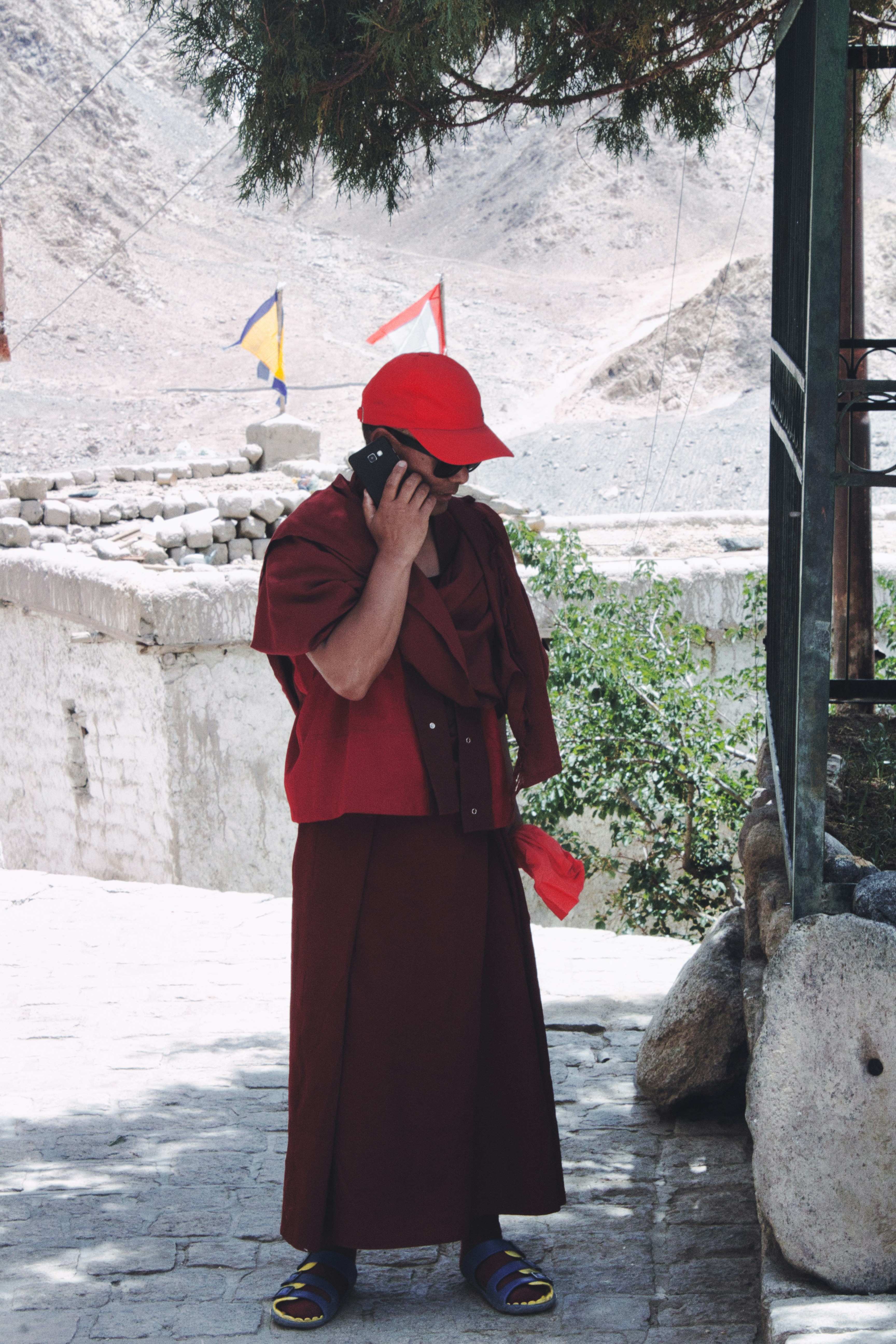
The Postcolonial Dharma: Buddhism and Decolonial Thought
The Postcolonial Dharma: Buddhism and Decolonial Thought
Research conducted from Bangalore with theoretical analysis and field studies
The intersection of Buddhist philosophy and postcolonial theory represents one of the most promising areas of contemporary scholarship. From our research base in Bangalore, we've been exploring how Buddhist concepts can inform decolonial thought, offering new frameworks for understanding power, resistance, and liberation.
Theoretical Foundations
Postcolonial theory has traditionally drawn on Western philosophical traditions, from Marxism to poststructuralism. However, there is growing recognition that non-Western philosophical traditions, including Buddhism, offer valuable resources for understanding and challenging colonial power structures.
Buddhist philosophy's emphasis on interdependence, non-duality, and the critique of fixed identities resonates with postcolonial concerns about essentialism, representation, and the construction of otherness. These resonances suggest the possibility of productive dialogue between Buddhist thought and postcolonial theory.
Decolonial Frameworks
Decolonial thought emphasizes the need to move beyond simply critiquing colonialism to actively decolonizing knowledge, practice, and being. Buddhist philosophy offers resources for this project, particularly through its critique of attachment to fixed identities and its emphasis on recognizing the constructed nature of all phenomena.
Our research examines how Buddhist concepts like dependent origination can inform decolonial thinking about the interconnectedness of colonial structures and the possibilities for transformation. We explore how Buddhist practices of mindfulness and compassion can support decolonial work.
Power and Resistance
Buddhist philosophy's understanding of power differs significantly from Western political theory. Rather than seeing power as something to be seized or redistributed, Buddhism emphasizes understanding the nature of power itself—how it arises, how it operates, and how it can be transformed.
This understanding offers new ways of thinking about resistance. Instead of simply opposing power, Buddhist-informed resistance involves understanding the conditions that give rise to power and working to transform those conditions. This approach has implications for postcolonial struggles.
Identity and Difference
One of the central challenges in postcolonial theory is how to think about identity and difference without falling into essentialism. Buddhist philosophy's critique of the self and its emphasis on interdependence offer resources for navigating this challenge.
Our research explores how Buddhist concepts can help us understand identity as both real and constructed, as both important and ultimately empty. This understanding allows for recognition of difference while avoiding the pitfalls of essentialism.
Historical Contexts
The relationship between Buddhism and colonialism is complex and varied. In some contexts, Buddhism was suppressed by colonial powers. In others, colonial powers used Buddhist institutions for their own purposes. In still others, Buddhist movements actively resisted colonialism.
Our research examines these varied historical relationships, drawing on archival work in Sarnath and Dharamshala, as well as secondary sources. We explore how understanding these historical contexts can inform contemporary engagements between Buddhist philosophy and postcolonial theory.
Contemporary Applications
Contemporary movements that draw on both Buddhist philosophy and postcolonial theory are emerging in various contexts. These movements often focus on issues like environmental justice, social inequality, and cultural preservation.
From our Bangalore office, we've been tracking these developments, examining how they combine Buddhist practice with postcolonial critique. We explore how these movements navigate the challenges of drawing on traditions that have themselves been shaped by colonial encounters.
Literary Expressions
Literature has been a crucial site for exploring the intersection of Buddhist philosophy and postcolonial thought. Writers from formerly colonized regions have drawn on Buddhist concepts to explore questions of identity, history, and resistance.
Our research examines how these literary expressions function, analyzing texts that engage with both Buddhist philosophy and postcolonial concerns. We explore how literature can serve as a space for working through the complex relationships between these traditions.
Challenges and Critiques
Engaging Buddhist philosophy in postcolonial contexts raises important questions and challenges. Some critics worry that drawing on Buddhism might reinforce Orientalist stereotypes or obscure the specific historical and political contexts of postcolonial struggles.
Our research takes these critiques seriously, examining how to engage Buddhist philosophy in ways that are attentive to power relations and historical specificity. We explore how to avoid both the pitfalls of cultural appropriation and the limitations of cultural essentialism.
Future Directions
As we continue our research from Bangalore, we see several promising directions for further exploration. These include examining how Buddhist philosophy can inform understanding of environmental justice, exploring the relationship between Buddhist practice and social movements, and developing new theoretical frameworks that draw on both traditions.
We also see opportunities for more collaborative work, bringing together scholars working in Buddhist studies, postcolonial theory, and related fields. Such collaboration could generate new insights and approaches.
Conclusion
The intersection of Buddhist philosophy and postcolonial theory offers rich possibilities for understanding and transforming power structures. While this intersection raises important questions and challenges, it also opens up new ways of thinking about resistance, liberation, and the possibilities for decolonial futures.
Our research, conducted from Bangalore with engagement across India's Buddhist heritage sites, continues to explore these possibilities. We remain committed to understanding how Buddhist philosophy can contribute to postcolonial and decolonial thought while remaining attentive to the complexities and challenges of this engagement.
Research Note
This research draws on theoretical analysis conducted at our Bangalore office, combined with field studies at the Central Institute of Higher Tibetan Studies in Sarnath and the Tibetan Library in Dharamshala. We are grateful to the scholars who have engaged with our work and provided valuable feedback.
About the Author
Dr. Tenzin Sharma is Research Director at Dharma & Letters, based in Bangalore. His work focuses on Buddhist influences in postcolonial literature.
References:
- Mignolo, W. (2011). The Darker Side of Western Modernity. Durham: Duke University Press.
- Central Institute of Higher Tibetan Studies, Sarnath (2023). Archival research.
- Spivak, G. (1988). "Can the Subaltern Speak?" In Marxism and the Interpretation of Culture. Urbana: University of Illinois Press.
- Tibetan Library Archives, Dharamshala (2023). Personal interviews.
Dr. Sharma is Research Director at Dharma & Letters, based in Bangalore. His work focuses on Buddhist influences in postcolonial literature.
Read More Articles