Tibetan Refugee Narratives in Contemporary Writing
Tibetan Refugee Narratives in Contemporary Writing
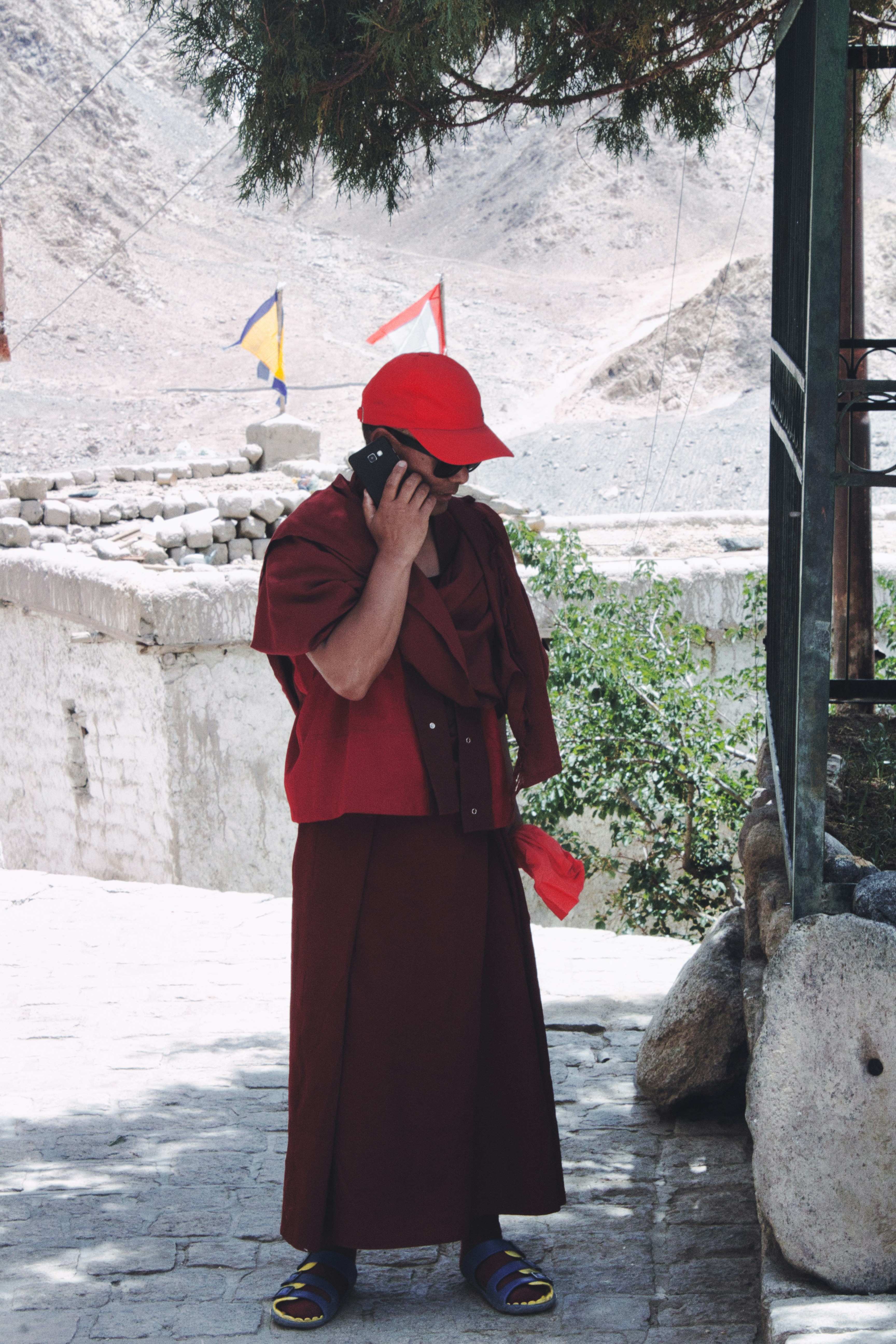
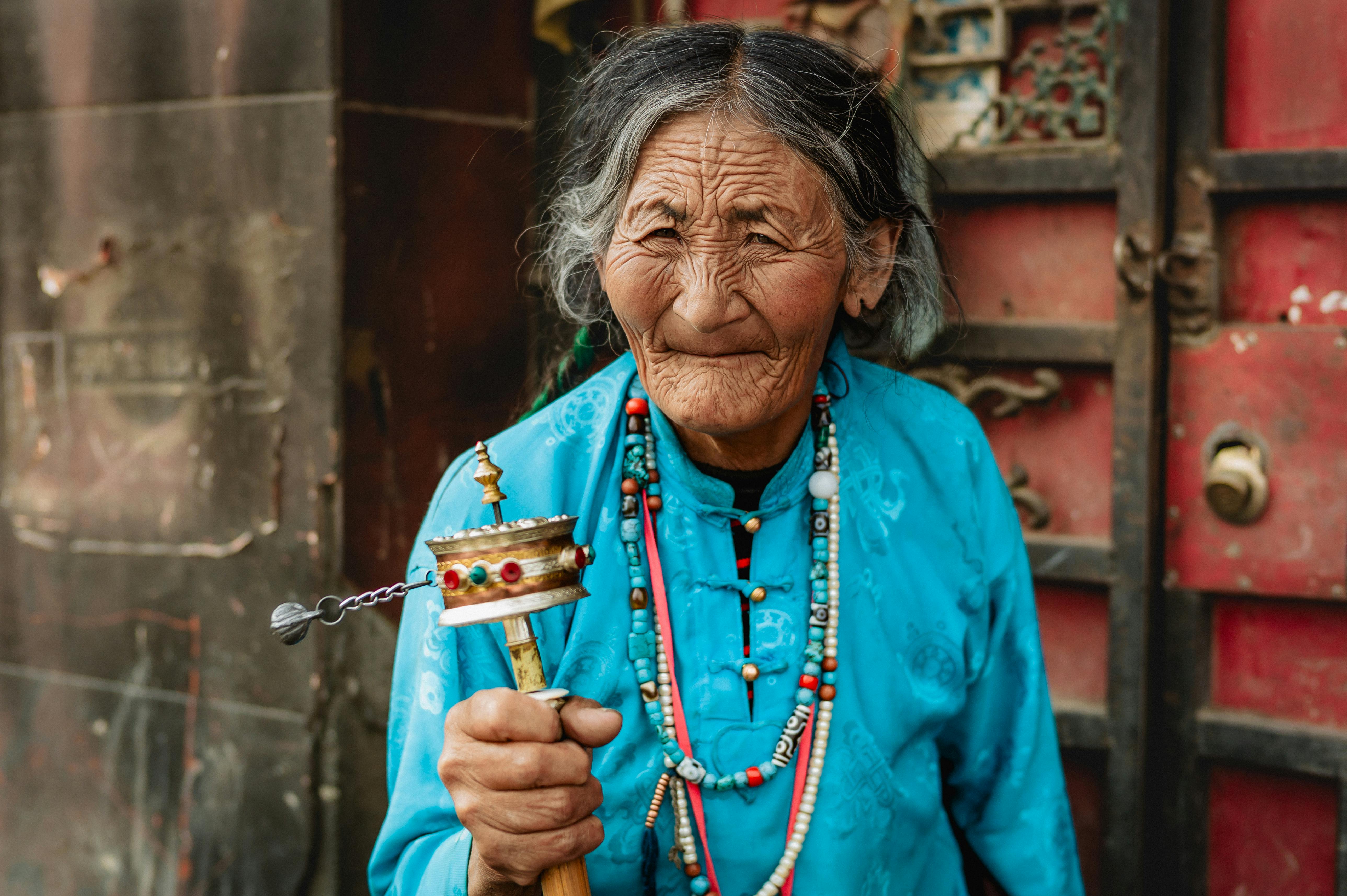
Field research conducted in Dharamshala, Bylakuppe, and Mundgod Tibetan settlements
The Tibetan refugee experience represents one of the most significant diasporic movements of the twentieth century, and its literary expression offers profound insights into questions of identity, memory, and cultural preservation. From our base in Bangalore, we've conducted extensive field research in Tibetan settlements across India to understand how these experiences are being translated into literature.
Historical Context
The Tibetan diaspora began in 1959, following the Chinese occupation of Tibet. Over the following decades, thousands of Tibetans fled to India, Nepal, and other countries, establishing communities that would become centers of Tibetan cultural preservation. These communities, particularly those in India, have become sites of rich literary production.
Our research has taken us to major Tibetan settlements in Karnataka—Bylakuppe and Mundgod—as well as to Dharamshala, the seat of the Tibetan government-in-exile. In each location, we've found vibrant literary communities engaged in documenting and reimagining the refugee experience.
Narrative Forms and Genres
Tibetan refugee narratives appear in multiple forms: memoirs, novels, poetry, and oral histories. Each form serves different purposes in the project of cultural preservation and identity formation. Memoirs often focus on the journey from Tibet, while novels explore the complexities of life in exile.
Poetry, particularly, has emerged as a powerful medium for expressing the emotional landscape of displacement. Tibetan poets writing in English navigate the challenge of translating cultural concepts and emotional experiences that may not have direct equivalents in English.
Language and Translation
One of the central challenges in Tibetan refugee literature is the question of language. Many Tibetan writers are multilingual, working in Tibetan, Hindi, and English. The choice of language shapes not only the audience but also the narrative possibilities available to the writer.
Our research examines how writers navigate between languages, creating hybrid forms that reflect the multilingual reality of Tibetan communities in India. These hybrid forms challenge conventional notions of literary authenticity and raise important questions about who has the right to tell these stories.
Gender and Refugee Experience
Women's experiences of displacement and resettlement have been particularly significant in Tibetan refugee literature. Women writers have explored how gender roles have shifted in exile, how traditional practices are maintained or transformed, and how new forms of agency emerge in diasporic contexts.
From our interviews in Dharamshala and the Karnataka settlements, we've found that women's narratives often emphasize themes of community, family, and cultural transmission. These themes reflect the particular ways in which women have been responsible for maintaining cultural practices in exile.
Second-Generation Perspectives
The children of Tibetan refugees, born and raised in India, offer unique perspectives on questions of identity and belonging. These second-generation writers navigate between Tibetan, Indian, and global identities, creating literature that reflects the complexity of their position.
Our research in Bangalore has involved extensive interviews with second-generation Tibetan writers, exploring how they understand their relationship to both Tibet and India. Their work often challenges simple notions of homeland and belonging, instead exploring the creative possibilities of hybrid identity.
Literary Reception and Representation
The reception of Tibetan refugee literature raises important questions about representation and authenticity. Who gets to tell these stories? How are they received by different audiences? What expectations do readers bring to these texts?
Our analysis examines how Tibetan refugee narratives are positioned within broader literary markets, both in India and internationally. We explore the ways in which these narratives are marketed, reviewed, and taught, and how these processes shape their meaning and impact.
Cultural Memory and Preservation
Literature serves as a crucial medium for preserving cultural memory in the Tibetan diaspora. Through storytelling, communities maintain connections to places, practices, and ways of being that might otherwise be lost. This function of literature is particularly important given the ongoing situation in Tibet.
Our research examines how literary texts function as archives of cultural knowledge, preserving not only historical events but also ways of understanding the world. We explore how writers balance the need to preserve tradition with the need to engage with contemporary realities.
Contemporary Developments
Recent years have seen new developments in Tibetan refugee literature, including the emergence of digital platforms for publishing and sharing stories. These platforms have created new possibilities for community engagement and have expanded the audience for Tibetan refugee narratives.
From our Bangalore office, we've tracked these developments, examining how digital technologies are transforming literary production and reception. We've found that online platforms have enabled new forms of collaboration and have made Tibetan refugee literature more accessible to global audiences.
Theoretical Frameworks
Our analysis draws on postcolonial theory, diaspora studies, and refugee studies to understand Tibetan refugee literature. These theoretical frameworks help us situate Tibetan refugee narratives within broader conversations about displacement, identity, and cultural production.
We also engage with Buddhist philosophy, examining how Buddhist concepts inform the ways in which Tibetan writers understand and represent their experiences. This engagement reflects our broader interest in the intersection of Buddhist thought and literary expression.
Conclusion
Tibetan refugee narratives in contemporary writing represent a rich and evolving field of literary production. These narratives offer profound insights into questions of identity, memory, and cultural preservation, while also contributing to broader conversations about displacement and diaspora.
Our research, conducted from Bangalore with extensive field work in Tibetan settlements across India, continues to explore the complexities of this literary tradition. We remain committed to understanding how these narratives function both within Tibetan communities and in broader literary contexts.
Research Note
This research involved extensive field work in Tibetan settlements across India, including Dharamshala, Bylakuppe, and Mundgod. Interviews were conducted with writers, community leaders, and residents, providing invaluable insights into the lived experience of Tibetan refugees. Archival research was conducted at the Tibetan Library in Dharamshala and at our Bangalore office.
About the Author
Priya Mehta is Senior Editor & Writer at Dharma & Letters, focusing on translation studies and Tibetan refugee narratives.
References:
- Tibetan Library and Archives, Dharamshala (2023). Personal interviews and archival materials.
- Field research notes, Bylakuppe and Mundgod settlements (2023).
- Said, E. (2000). Reflections on Exile. Cambridge: Harvard University Press.
- Clifford, J. (1997). Routes: Travel and Translation in the Late Twentieth Century. Cambridge: Harvard University Press.
Priya is Senior Editor & Writer at Dharma & Letters, focusing on translation studies and Tibetan refugee narratives.
Read More Articles